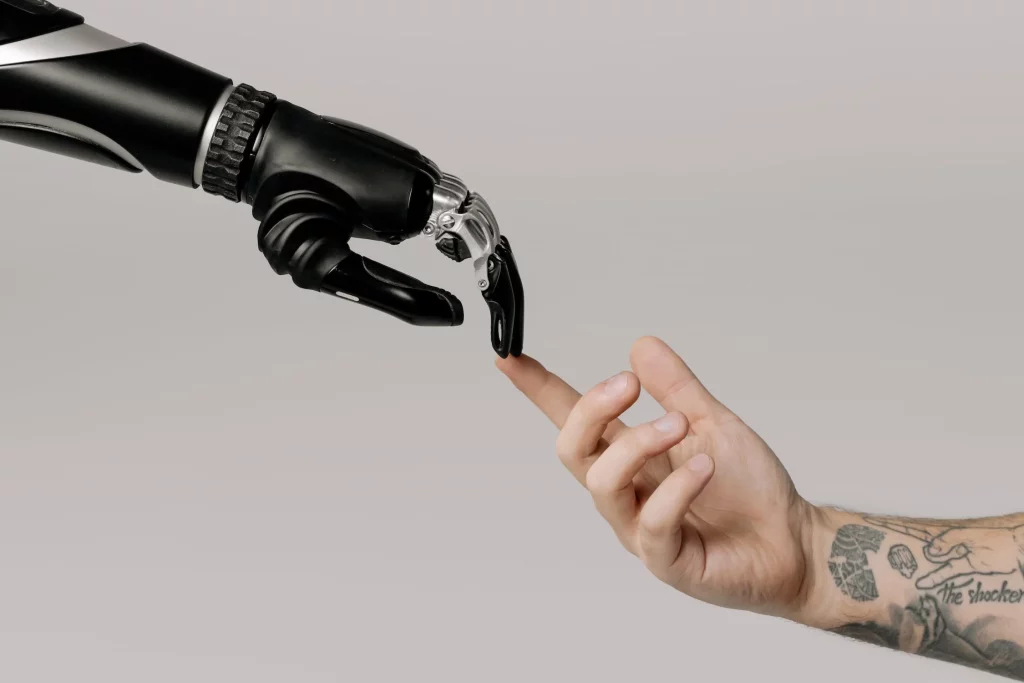
How Artificial Intelligence is Shaping the Future of Market Research
Picture this: a world where market research isn’t just about filling out tedious surveys and sitting through endless focus groups. Imagine a landscape where consumer insights are dynamically predicted, where behavioral patterns are decoded with finesse, and decisions are backed by a continuous flow of real-time data. Welcome to the transformative universe of artificial intelligence (AI)—an arena that isn’t just evolving; it’s shaking up the very foundations of how businesses grasp their markets. Let’s take a stroll through this intriguing territory and explore the myriad ways AI is rewriting the market research rulebook, peppered with real-world stories and expert perspectives.
The Dawn of AI in Market Research
Believe it or not, the seeds of AI in market research were sown decades ago, but oh, how they’ve flourished! The pace at which AI has ramped up in recent times is nothing short of breathtaking. Just think about it: companies can now dive into oceans of consumer data and emerge with precious, actionable insights faster than ever before. It’s like having a superpower for deciphering intricate patterns hidden in the chaos of data.
At its essence, AI complements the classic market research toolkit. It merges qualitative insights with quantitative data, leading to richer and more nuanced analyses. Take natural language processing (NLP), for instance. Nowadays, we can tap into social media chatter, reviews, and an array of textual data to gauge consumer sentiment in real-time. It’s not just about making the research process slicker; it’s about layering it with depth. But how did we reach this exciting juncture?
Enter the age of powerful machine learning algorithms. These systems don’t just crunch numbers—they learn. Like a savvy detective piecing together a mystery, they refine their predictions based on historical data. Netflix is a perfect example here. Its recommendation engine—driven by AI—analyzes your viewing history not just to suggest your next binge-watch but to even guide content creators about what to produce next. It’s a beautiful dance of consumer insight and tailored experience, a vital lesson for businesses eager to harness AI’s potential in their research endeavors.
Revolutionizing Data Collection
Let’s talk about one of the biggest game-changers AI brings to the table: data collection. Traditional methods—those old-school surveys and focus groups—can be as delightful as watching paint dry. Plus, they often constrain the diversity of responses. Now, however, with AI, businesses can turn to unstructured data from platforms like social media, online forums, and e-commerce sites. Think web scraping and sentiment analysis, allowing for real-time insights into consumer opinions and emerging trends.
Consider Airbnb. By employing AI to dissect both direct customer feedback and overarching market trends, they’ve effectively predicted demand and optimized their pricing strategy on the fly. Imagine knowing what your customers want before they even do! This story is just a snapshot of AI’s potential in refining data collection, but there’s always more lurking just beneath the surface.
The Predictive Power of Analytics
And then we have predictive analytics. With AI stepping in, businesses aren’t just looking backward; they’re glancing ahead with fresh eyes. By analyzing past data and pinpointing patterns, AI can forecast future trends and consumer behaviors with remarkable accuracy. This foresight can elevate marketing strategies and, ultimately, improve customer experiences.
Look at Sephora, for instance. The beauty giant employs AI to sift through customer data, crafting personalized marketing campaigns. They don’t just know what products you’ve bought—they’re in tune with how your buying patterns might evolve. This ability to anticipate trends allows them to refine inventory, enhance supply chain logistics, and tailor advertising efforts, all while fostering the personalized touch that today’s consumers crave. Talk about a win-win!
Decoding the Mysteries of Consumer Behavior
What’s particularly fascinating about AI in market research is its prowess in unraveling consumer behavior patterns that traditional methods often gloss over. Behavioral data—from browsing habits to purchasing histories—can now be aggregated at scale, granting businesses profound insights into the motivations behind consumers’ choices. AI goes beyond simply asking “what”; it boldly ventures into the “why,” unveiling the deeper motivations steering consumer actions.
Think about Spotify. By diving into user behavior and engagement data, the streaming service fine-tunes its playlists and song recommendations, crafting an experience that resonates deeply with listeners. It’s this keen understanding of consumer preferences—reflecting everything from lifestyle choices to emotional responses—that informs Spotify’s marketing strategies and product evolution. Talk about tuning in to what really matters!
Precision in Audience Segmentation
We’ve also entered a brave new world of audience segmentation, where crude demographic buckets are a thing of the past. Enter AI, ushering in an era of hyper-personalization that allows businesses to craft nuanced consumer profiles. Through machine learning, brands are beginning to grasp the complexities of different audience segments, leading to tailored messages that resonate on a personal level.
Take a page from Coca-Cola’s playbook. Their AI-driven segmentation strategy dissects not just demographics but dives into psychographics, unearthing detailed consumer behaviors and preferences. This attention to detail empowers Coca-Cola to launch targeted marketing campaigns that hit home with specific consumer groups, whether it’s a limited-edition beverage or a seasonal promotion. Now that’s what I call savvy!
Facing Challenges in AI-Driven Research
Now, while AI offers a treasure trove of opportunities, it doesn’t come without its set of challenges. The sheer volume of data can feel like a storm, and navigating it to uncover actionable insights demands the right balance of technology and human intuition. Plus, let’s not forget the looming ethical concerns about data privacy. As businesses increasingly lean into these data-driven methods, the calls for transparency and responsible data handling are louder than ever.
Data Integrity and Privacy: A Balancing Act
The Cambridge Analytica scandal serves as a cautionary tale, reminding us all of the potential pitfalls that lurk in the shadows of data misuse. For business leaders, adhering to regulations like GDPR (General Data Protection Regulation) and CCPA (California Consumer Privacy Act) isn’t just good practice—it’s essential for building consumer trust, which is vital in a fiercely competitive landscape.
Moreover, since AI systems are only as good as the data they ingest, ensuring accuracy and integrity becomes paramount. Companies must dedicate resources to data validation processes to ensure they’re not making decisions based on flawed insights.
The Horizon of AI in Market Research: An Exciting Future
Look ahead to the future, and you’ll find even more exhilarating possibilities. As natural language processing and machine learning continue to evolve, market research could reach unmatched levels of sophistication. Imagine a world where AI can predict market shifts before they happen, keeping brands a step ahead of trends and consumer desires. Exciting, right?
Consider the potential of merging AI with augmented reality (AR). Brands could conjure immersive experiences that respond to real-time consumer feedback—not just static ads anymore! Picture a clothing retailer using AI to scrutinize how customers interact with various garments through AR; they could adapt inventory and refine marketing strategies instantly based on what tickles consumers’ fancies.
Emotional Analytics: The Next Frontier
And let’s not overlook the rise of emotional analytics. By merging AI with facial recognition tech and voice analysis, brands could start decoding those subtle emotional responses that bubble up during consumer interactions. Just think of the possibilities for product design and marketing campaigns that dynamically adapt to genuine emotional engagement—who wouldn’t want to craft products that resonate deeply and personally with consumers?
Conclusion: Embracing the AI Tide in Market Research
The blend of AI with market research is more than a fleeting trend; it represents a fundamental shift in how businesses engage with their consumers and make strategic decisions. As we stand at the doorway to this promising new era, it’s crucial for leaders and decision-makers to open their arms to these changes, armoring themselves with the tools and insights necessary to thrive.
With real-world anecdotes, ongoing challenges, and tantalizing future possibilities in mind, it’s clear: the future of market research is a vibrant tapestry of innovation. So as you move forward, ask yourself: How can your organization harness the power of AI to glean a richer understanding of your audience? Are there untapped data sources just waiting to be explored? Is there room for automation to streamline your processes? Which consumer behaviors remain enigmatic?
At the end of the day, one of AI’s greatest gifts lies in its ability to cultivate deeper connections with your audience. As you navigate this shifting landscape, keep in mind that technology should enhance human insight, not replace it. By embracing AI in your market research efforts, not only can you edge out the competition, but you can also craft experiences that truly resonate with consumers. So, step confidently into this new world; the exciting future of market research is waiting for you!